Government Schemes for Startups 2024

Government programs for startups are a critical driver of innovation, growth and economic In 2024.onViewCreated This support is in the form of monetary help, guiding and infrastructural resources so that fresh entrepreneurs are backed to survive in a high competitive market. Knowing the different government schemes for 2024 startups will help entrepreneurs to support their business and take it newer miles.
Startup India Initiative
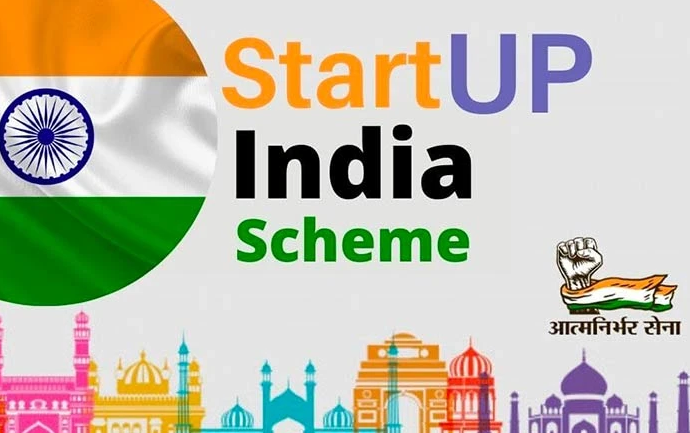
Startup India started in 2016 and provides enablement & support for Startups through it’s comprehensive Offerings till year 2024. The program, which is the flagship initiative of the Government of India intends to build a robust start-up ecosystem in order to catalyse sustainable economic growth and generate large scale employment opportunities.

Key Features:
Tax Exemptions: Startups incorporated on or after April 1, 2016 until March 31,2024 are eligible for tax exemptions given that it is fulfilling the criteria of Tax Holiday (and not exempting from other form of taxes in first ten years).

Easier Reconciliations: The routine simplifies some of the regulatory work around for startups bringing down nervous tension legal actions.

Startup India Seed Fund Scheme (SISFS) – Funding to startups for proof of concept, prototype development and trials.

Atal Innovation Mission (AIM)
Atal Innovation Mission (AIM) is the Governments of India’s flagship initiative set up by NITI Aayog to promote a culture of innovation and entrepreneurship in the country. AIM, today also continues to offer various programs for supporting startups in 2024.

Key Features:

Atal Incubation Centres (AICs): AIM sets up incubator hubs to help in providing necessary infrastructure, mentorship and funding of the startups.
Atal New India Challenges: These offer challenges that seek tech-enabled solutions for problems of the day in sectors like agriculture, health etc.
Mentorship programs aim has a structured mentorship program that gets to start-ups with industry experts and seasoned entrepreneurs.

MUDRA Loan Scheme
Micro Units Development and Refinance Agency (MUDRA) Loan Scheme is another landmark effort taken to financially aid startups, particularly in micro & small enterprise area.
Key Features:
Shishu Loans: small loans up to INR 50,000 for start-ups in the early stages.
Kishor Loans: Between INR 50,000 and INR 5,00,000 for the operational products to businesses only (clerically managed accounting system or turnover not exceeding Rs.
Loan amount: Between INR 5,00,000 to INR 10,00,000 for well-established seeking the next level of growth

Stand-Up India Scheme
Stand-Up India Scheme: This scheme provides loans for greenfield enterprises (i.e. first time ventures) by Women and SC/ST beneficiaries to promote entrepreneurship.

Key Features:
Loan Amount: Offers loan amounts from INR 10,00,000 to INR 1 crore.
IN a nutshell Maturity Factor Eligibility one woman /SC/ST borrower per bank branch
Coverage: For all the vertical such as manufacturing, trading or services industries.

SAMRIDH Scheme
Startup Accelerators of MeitY for Product Innovation, Development and Growth (SAMRIDH) will provide a platform to create opportunities in public markets by providing access to funding, mentorship as well as market accessibility through which startups can scale their business.

Key Features:
Financial Support: It provides financial aid to the startups up to INR 40 lakhs.
Mentorship and Market Access Connects startups with industry stalwarts and access to domestic as well as international markets
Incubation Support: Six Telegraph shares with the top accelerators and incubators of the Guaran, supportive talent.

Meaning Of – Credit Guarantee Fund Trust for Micro and Small Enterprises (CGTMSE)
The CGTMSE provides collateral-free credit facility to micro and small enterprises, an offering that can be a lifeline for startups with no assets.

Key Features:
No Collateral Loans: Upto INR 2 crore
Risk Coverage: Guarantees the Cover Risk of up to a large sum, thereby decreasing in risk for lenders.
Availability: Direct and through national banks

Digital India Initiative
The Digital India campaign seeks to digitally empower the country, thus leading it into a new era of knowledge economy. It offers digital infrastructure and services for startups.

Key Features:
E-Governance and Services on Demand: Ensures hassle free transaction for businesses with zero or minimal human interface.

Digital Infrastructure – Ensuring strong internet connectivity and IT infrastructure to provide with a great platform to build start-ups on top of it.

Advance Digital Entrepreneurship: It fosters innovation and entrepreneurship in IT & digital sector.

Conclusion
Different government schemes for startups in 2024 provide opportunities to the entrepreneurs that help them either start, grow or scale-up their businesses. Each of these schemes including financial assistance and tax exemptions, supporting innovations or mentorship helping them in building prototype to the access into market are all designed with well defined ecosystem for startups. The entrepreneurs will be benefitted and continue to grow, prosper via these schemes with further alignment of business strategies in the highly competitive market landscape.

Once again, Funding Raised did an exceptional job on winning these government schemes to gain the required funding and mentorship that supercharged their growth enabling them to be a major player in this market. Startups that stay informed and make the most of these assets can operate successfully against the odds while meeting their business goals.

How I start my Startup?

A Comprehensive Guide to Starting a Startup in India [problem-solving topic]

The Indian startup ecosystem has experienced tremendous growth over the past two decades, with over 1,000 new tech startups emerging in 2022 alone. According to the Ministry of Commerce & Industry, India had more than 65,000 startups as of March 2022, ranking third globally in both the overall number of startups and the number of unicorns. To foster this burgeoning startup culture and strengthen the economy, the Indian government has implemented various supportive measures and schemes. If you have a transformative idea, here’s a comprehensive guide on how to start a startup in India.

#Understand Deeply
Uniqueness: Your startup idea should be unique and stand out from existing companies. This uniqueness is vital for attracting consumers and investors in the early stages.
Demand: Assess the demand for your product. If your target audience is small or your product doesn’t solve a specific problem, your startup may struggle to survive in the market.
Scalability: Determine your long-term business goals and scalability. Whether aiming for rapid growth or steady progress, having clear goals from the beginning is essential.
NOW Understand 8 Steps to Start a Company?
. Check Feasibility: Ensure your business idea is scalable and addresses a market gap. Validate your idea through market research, identifying your unique selling point, seeking professional advice, and conducting market surveys.

2. Create a Business Plan: Develop a comprehensive business plan that includes:

  1. Company description
  2. Market size and scalability
  3. Business model
  4. Operational plan
  5. Strategies and oportunities
  6. Marketing plan
  7. Business structure and management
  8. Financial framework

3. Choose a Business Structure: Select a suitable business structure based on factors such as control, investment needs, taxation, investor attraction, reputation, and privacy.

4. Secure Funding: Explore different types of investments:

  • Angel Investors: Similar to venture capitalists but often provide mentorship and guidance.
    • Venture Capital: Investors provide funding in exchange for equity, profiting if the company goes public or is acquired.
  • Crowdfunding: Gather funds from multiple investors worldwide.

5. Register Your Startup: Professional help, such as an accountant, can streamline the registration process. Sole proprietorships or partnerships can often be registered more quickly.

6. Utilize Government Schemes: Enroll in schemes like the Startup India Program for investment exposure and tax benefits. Register with the Department for Promotion of Industy and Internal Trade (DPIIT) for trademarking your patents and logo.

7. Build an Online Presence: Effective marketing is crucial for growth. Use social media platforms to gain digital exposure and build customer trust globally. Understanding platform algorithms and content creation can help you manage marketing personally.

8. Establish a Good Workspace: Invest in a flexible and well-equipped workspace. A good office environment impress clients and provides employees with the necesary tools to perfom effectively.

Auther Note : These All steps and considering key factors like uniqueness, demand, and scalability, you can build a successful startup. With government support and the right approach, your startup can contribute to the robust growth of the Indian economy. Whether you’re just starting or looking to expand, this guide can help you navigate the challenges and make the most of the resources available.

best of luck Entrepreneurs
Rishiraj Sharma
Founder: FundingRaised Media

Scimplify Raises $7 Million in Series A Funding

Scimplify, a B2B platform for specialty chemicals, raised Rs 59 crore ($7 million) in its Series A round led by Omnivore, with participation from 3One4 Capital, Beenext Asia, and Bertelsmann. The funds will support its operations from contract research to commercial chemical manufacturing across various industries.

AITMC Ventures Files for IPO on NSE Emerge

Gurugram-based agri-drone company AITMC Ventures filed a draft red herring prospectus with SEBI for an IPO. The offering includes 2.07 Cr equity shares with no OFS. Proceed will fund subsidiaries, new initiatives, and working capital. Founded in 2016, AITMC specializes in drone training and aims to open 100 drone Coes.

Unicommerce Set to Launch IPO on August 6

E-commerce SaaS platform Unicommerce will launch its IPO on August 6, following approval from SEBI. The company aims to raise funds through an offer for sale (OFS) of up to 2,98,40,486 equity shares, with major shareholders AceVector Limited and SB Investment Holdings participating. Founders Kunal Bahl and Rohit Bansal are not selling shares.

Byju’s Reaches Settlement with BCCI Over Rs 158 Crore Payment

Embattled edtech firm Byju’s has agreed to pay Rs 158 crore to the BCCI, settling a dispute. Byju’s paid Rs 50 crore, with the rest due by August 9. The settlement, led by co-founder Riju Raveendran, follows the NCLAT’s demand for an undertaking to ensure funds are not misused. This comes amid ongoing financial and leadership challenges for Byju’s.

FirstCry IPO Set for August 6-8, Targeting $2.9-3 Billion Valuation

BrainBees Solutions Ltd, FirstCry’s parent company, will launch its IPO from August 6 to 8, seeking a $2.9-3 billion valuation. The IPO includes a fresh issue of shares worth Rs 1,666 crore and an offer for sale of 54.39 million shares. Major shareholders SoftBank, Mahindra & Mahindra, and Premji Invest will sell stakes. FirstCry’s FY24 revenue rose to Rs 6,481 crore with losses reduced by 34%.